
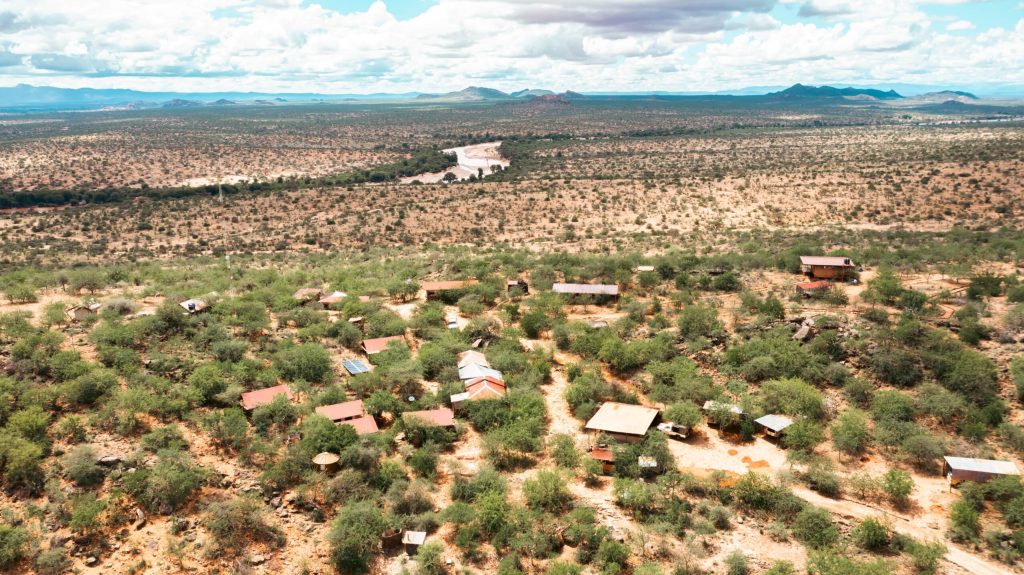
Sidai Camp lies in the Ewaso Enclave Conservancy and one of the principles used in the management of the land is active ranching. But many people have never heard of Active ranching – so what is it? I’s a living example of how humans, wildlife, and the land can thrive together. How does it fit into a community-driven conservancy like ours? Let’s dive in.
Understanding Active Ranching in Laikipia
Active ranching refers to a proactive, hands-on approach to land and livestock management that integrates traditional pastoral practices with cutting-edge conservation strategies. In Laikipia, active ranching provides a model for the future, where the needs of wildlife and space for the herds of local people exist together.
Active ranching means shaping the landscape to support both economic livelihoods and ecological health. At places like the Ewaso Enclave Conservancy, this means herders aren’t just tending to their animals—they’re part of a broader system that regenerates habitats, protects endangered species, and builds resilience against climate challenges.
Unlike conventional ranching, which can lead to overgrazing and land degradation, active ranching emphasizes regeneration and balance. Guests at Sidai Camp can even join local herders to learn about these methods firsthand, witnessing how they harmonize with the wild rhythms of the bush. This continues an ancient pastoral way of life where humans and their livestock lived in harmony with local wildlife.
The Integrated Land Management Approach: Balancing Community and Conservation Needs
At the core of active ranching in a community conservancy is an integrated land management strategy. This holistic framework recognizes that land isn’t a resource to be divided—it’s a shared ecosystem where community needs (like grazing for livestock and cultural preservation) meet with conservation goals (such as protecting wildlife corridors and biodiversity).
In the Ewaso Enclave Conservancy, this approach addresses pressing issues like habitat fragmentation caused by land-use changes and climate variability. By protecting vital areas along the Ewaso Nyiro River, the conservancy enhances ecological connectivity, allowing species like elephants, lions, and rare black leopards to move freely. Meanwhile, local Maasai and Samburu communities benefit from participatory programs that provide jobs, education, and access to resources. It’s a win-win: communities gain economic stability through sustainable tourism and ranching, while wildlife habitats are restored through practices that promote vegetation regrowth and soil health.
This integration is evident in how the conservancy collaborates with neighboring tribes, honoring their traditions while incorporating modern tools like GPS tracking and drones for wildlife monitoring.
Key Principles of Active Ranching and Their Impacts
- Rotational Grazing Systems: Livestock are moved strategically across the land to mimic natural herd migrations. This prevents soil compaction and overgrazing, allowing grasses and shrubs to regenerate. Impact on Wildlife: Healthier vegetation supports a richer food chain, benefiting herbivores like zebras and antelopes, which in turn sustain predators. In conservancies like ours, this has led to improved habitat quality and increased biodiversity. Impact on Communities: Herders maintain productive pastures for their cattle, reducing conflicts over resources and boosting livestock health for better market value.
- Community Engagement and Empowerment: Local people are at the heart of decision-making, with programs that blend indigenous knowledge with conservation education. At Sidai Camp, activities like traditional storytelling, honey harvesting with Maasai guides, and the Wild Kids of Laikipia program inspire guests and the next generation. Impact on Wildlife: Empowered communities become stewards, reporting poaching and participating in anti-predator measures to protect species like wild dogs. Impact on Communities: This creates over 200 jobs in ecotourism and ranching across similar Laikipia conservancies, funds schools and clinics, and preserves cultural heritage.
- Sustainable Tourism and Economic Diversification: Eco-friendly lodges like Sidai Camp generate revenue that’s reinvested into conservation, while offering low-impact experiences such as walking safaris and indigenous plant walks. Impact on Wildlife: Funds support habitat protection and research, safeguarding endangered species and maintaining genetic diversity. Impact on Communities: Tourism provides alternative income streams, reducing reliance on unsustainable practices and fostering harmonious coexistence with nature.
- Wildlife Monitoring and Adaptive Management: Using technology and on-the-ground patrols to track animal movements and respond to threats in real time. Impact on Wildlife: This secures dispersal routes and protects vulnerable species from habitat loss, enhancing overall ecosystem resilience. Impact on Communities: Data-driven decisions help mitigate conflicts, like preventing livestock predation, while building local capacity through training.
These principles aren’t just theoretical—they’re in action across Laikipia, from the Ewaso Enclave to neighbors like Ol Jogi and Mugie, where low-impact ranching preserves wildlife corridors while supporting pastoral livelihoods.
Why It Matters: A Model for the Future
Active ranching on community conservancies like the Ewaso Enclave represents a forward-thinking model for conservation in Africa. By weaving together community needs, wildlife protection, and sustainable land use, it creates ecosystems that are not only biodiverse but also economically viable. In a region facing pressures from climate change and population growth, this approach ensures that Laikipia’s wild spaces—and the people who call them home—can endure.
If you’re inspired to experience this firsthand, join us at Sidai Camp for an immersive stay where you can participate in active ranching activities and connect deeply with the land. Together, we’re proving that conservation isn’t about exclusion—it’s about inclusion, balance, and a shared future.
